
Rating: 4.5/5 broken wagon wheels
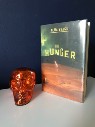
Alma Katsu’s The Hunger is a horrifying retelling of the tragic events surrounding the Donner Party. (If you don’t know about the Donner Party, don’t Google it before reading The Hunger, but definitely read up on it. It’s tragic and heartbreaking.) In The Hunger, a group called the Donner Party goes West in search of new opportunities and escape from their pasts, but the trip there is grueling and taxing.
There’s definitely something evil following the Donner Party, but the party doesn’t know what it is. Is it someone evil who’s part of the group? Are the mysterious pasts of the travelers catching up with them? Are they being followed by wolves? Whatever it is, it’s getting closer, and the group is becoming smaller and smaller, and each passing day reduces their food supply and brings them closer to what seems like unavoidable death.
The Hunger is, without a doubt, full of horror. Katsu knows how to build suspense, and when describing terrifying events, she brilliantly paints a vivid picture for readers, but she does so with a respectful sensitivity.
On the note of sensitivity, this book deals with indigenous peoples and many of the racist stereotypes against them, especially those held by early settlers. (You may remember that I called a reliance on these tropes boring and tired in a previous review.) But Katsu approaches this topic with kindness and care. In fact, her acknowledgements state that she didn’t want to glaze over the harmful views of native peoples but also didn’t want to perpetuate those stereotypes. It’s this sensitivity and awareness that sets Katsu’s work apart from others that rely on this trope just for funsies.
The Hunger touches on complex themes like moral relativity and the extents people will go to just to survive. Do the notions of good that apply during prosperity also apply during a time of starvation and death? Do social norms need to be upheld if it’s a matter of life and death? What are your limits when it comes to keeping yourself and your family alive?
In addition to those questions, The Hunger questions the notion of good or evil. The Hunger is told through the perspective of different characters, so readers get everyone’s backstory. A character we are lead to believe is evil has a complex background, so does that excuse his actions? What if someone does evil things for a good reason? Is that person good or evil? (Or are dichotomies like good and evil silly oversimplifications?)
Classifying The Hunger a horror novel does it a disservice; it’s so much more. It beautifully tells the stories of the variety of feelings humans have, from hunger to betrayal to sadness to love. It forces readers to think of good, evil, survival, and love. It reminds us that though some parts of life are horrific, other parts are full of beauty, and you can’t have one without the other.


Great review!
LikeLike
Thank you!
LikeLiked by 1 person